

Call our head office number today to book a survey 023 9243 0183, or book online
Woodworm Treatment: Protect Your Property from Infestation
Woodworm infestations pose a serious threat to the structural integrity of buildings. The damage caused by woodworm larvae can compromise the safety of your home or commercial property. Understanding woodworm, recognizing signs of infestation, and knowing the best treatment methods are crucial for maintaining your property’s health.
Why Woodworm Treatment is Crucial
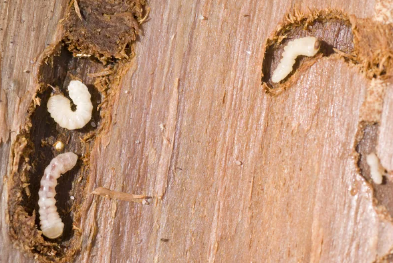
Woodworm infestations can lead to severe structural issues if not addressed promptly. These pests, in their larval stage, tunnel through timber, weakening it over time. The damage can extend to load-bearing beams, floorboards, and even furniture. Ignoring the problem not only risks the structural integrity of your building but can also lead to costly repairs.
The Impact of Woodworm Infestations
- Structural Damage: Woodworm larvae create a network of tunnels as they feed, which can weaken timber structures, leading to potential collapses or significant repairs.
- Property Value: Infestations can negatively impact the value of your property. Potential buyers might be deterred by signs of woodworm damage or the potential for future problems.
- Health Concerns: Though woodworm itself doesn’t pose direct health risks, the fungal decay often associated with infestations can contribute to mold and damp issues, which can affect indoor air quality.
Recognizing Woodworm Infestations
Identifying woodworm early is key to preventing extensive damage. Here are some detailed signs to watch for:
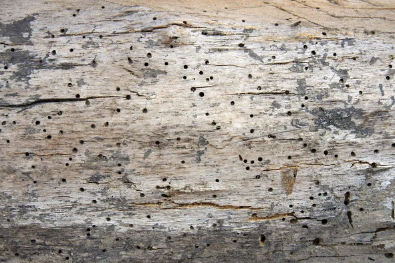
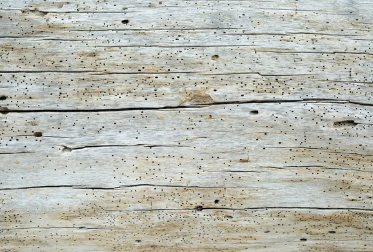
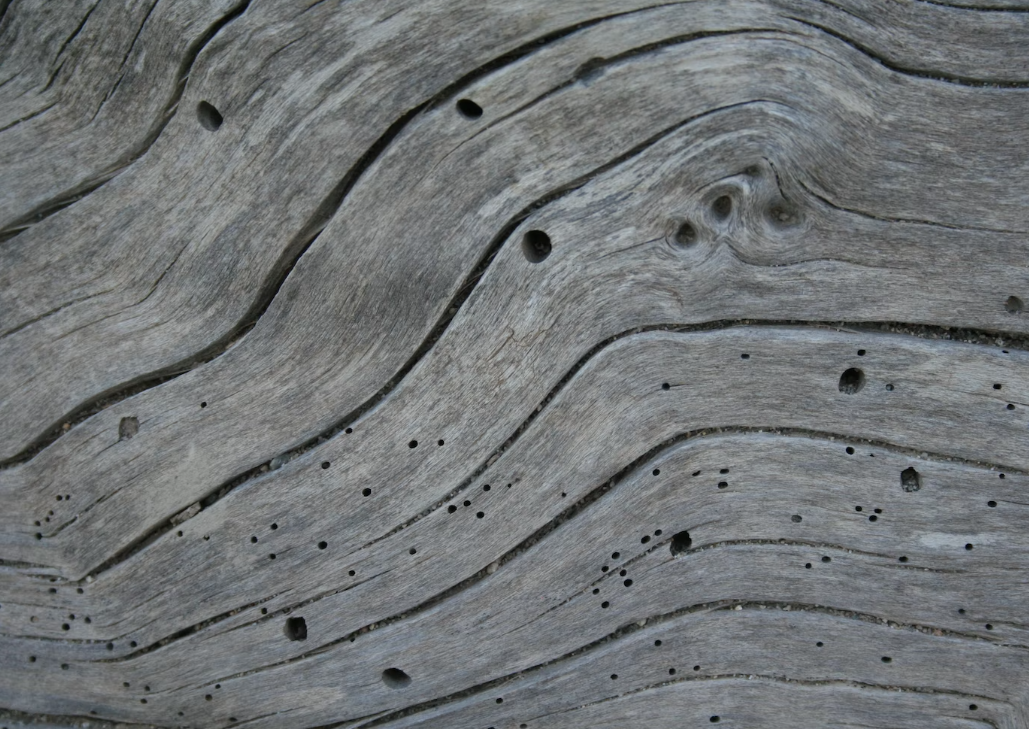
- Round or Oval Holes: Infested wood will have small exit holes, ranging from 1mm to 9mm in diameter. These holes are where adult beetles have emerged. Even if the infestation is no longer active, these signs can remain.
- Wood Dust and Frass: Fine, powdery wood dust, also known as frass, may collect beneath or around timbers. This dust is a byproduct of larvae feeding and is a strong indicator of current or recent infestation.
- Visible Beetles: Spotting live or dead beetles, particularly during their flight period in spring and summer, can signal an active infestation.
- Weak and Crumbling Wood: Timber that crumbles or feels spongy when probed with a screwdriver is often a sign of severe woodworm damage. This is particularly evident in floorboards and wooden furniture.
- Fungal Decay and Rot: Woodworm activity is often accompanied by fungal decay, which can be identified by moldy patches, softness, and discoloration of the wood.
Types of Woodworm Common in the UK
Understanding the types of woodworm can help tailor the treatment approach. Here’s a deeper look at common woodworm species in the UK:
- Common Furniture Beetle (Anobium punctatum):
- Habitat: Prefers both soft and hard woods.
- Identification: Holes about 2mm in diameter.
- Lifecycle: Approximately 3 years, with each female laying up to 40 eggs.
- Damage: Can cause significant damage to furniture and structural timber if not treated.
- Death Watch Beetle (Xestobium rufovillosum):
- Habitat: Favors older hardwoods that have been previously affected by fungal decay.
- Identification: Flight holes 2-3mm in diameter.
- Lifecycle: Ranges from 5-6 years.
- Damage: Infestations often lead to severe weakening of timber, making early detection crucial.
- House Longhorn Beetle (Hylotrupes bajulus):
- Habitat: Primarily attacks softwoods, especially those with pre-existing damage or rot.
- Identification: Oval flight holes up to 9mm by 6mm.
- Lifecycle: Between 5-11 years.
- Damage: Known for causing rapid and extensive damage to timber.
- Wood Boring Weevil (Euophryum confine):
- Habitat: Associated with wet rot conditions.
- Identification: Small flight holes about 1mm in diameter.
- Lifecycle: Can be challenging to detect due to their small size and hidden nature.
- Damage: Typically causes damage in conditions where wood is already compromised.
The Woodworm Treatment Process
Effective woodworm treatment involves several key steps. Here’s an overview of the process:
- Initial Inspection:
- A thorough inspection by a qualified professional to assess the extent of the infestation and identify the type of woodworm present.
- Treatment Plan:
- Development of a customized treatment plan based on the type of woodworm, the extent of the infestation, and the specific needs of your property.
- Application of Treatment:
- Chemical Treatments: Use of insecticidal treatments to eradicate larvae and beetles. This may include sprays, foams, or gels that penetrate timber.
- Fumigation: In severe cases, fumigation may be necessary to address widespread infestations.
- Physical Measures: Repair or replacement of severely damaged timber and improving ventilation to prevent future infestations.
- Post-Treatment Inspection:
- A follow-up inspection to ensure the treatment has been effective and to identify any additional measures needed.
- Prevention:
- Recommendations for preventative measures, such as improving wood treatment, controlling moisture levels, and maintaining regular inspections.
DIY vs. Professional Treatment
While some may consider DIY treatments for woodworm, professional services offer several advantages:
- Expertise and Equipment: Professionals have the experience and specialised equipment to accurately diagnose and effectively treat infestations.
- Comprehensive Solutions: Professional services provide thorough inspections, targeted treatments, and long-term solutions, which are difficult to achieve with DIY methods.
- Safety: Handling chemical treatments and infestations requires proper safety measures that professionals are trained to manage.
Interesting Facts About Woodworm
- Lifecycle: Woodworm beetles have complex lifecycles that can last several years, with larvae spending most of their time inside the wood before emerging as adults.
- Historic Issues: Woodworm infestations have been a problem for centuries, with historical records showing their impact on ancient buildings and furniture.
- Environmental Impact: While woodworm beetles are pests in timber, they play a role in natural ecosystems by breaking down dead wood and contributing to nutrient cycling.
Why Choose Us?
Our team is dedicated to providing top-notch woodworm treatment services. Here’s why you should choose us:
- Experienced Specialists: Our certified experts have extensive experience in identifying and treating various woodworm infestations.
- Advanced Techniques: We use the latest technology and treatment methods to ensure effective results.
- Customer Satisfaction: We pride ourselves on delivering high-quality service and ensuring our clients are fully satisfied with the results.
- Comprehensive Support: From initial inspection to post-treatment follow-up, we offer complete support throughout the process.
If you suspect a woodworm infestation or need expert advice on woodworm treatment, don’t hesitate to reach out to us. Early detection and professional intervention can save you from extensive damage and costly repairs. Contact us today for a consultation and protect your property from the dangers of woodworm.
Woodworm Survey
A thorough woodworm survey conducted by a professional can determine the extent of infestation and recommend the appropriate treatment. Our experienced surveyors identify key indicators of infestation and provide tailored solutions to address the problem effectively.
If you suspect a woodworm infestation or have any questions about woodworm treatment, don’t hesitate to contact us for expert assistance.
Book an appointment
[forminator_form id=”1693″]